The Architecture of Connection: Building Simple Family Habits for Lasting Happiness
The Power of Consistent Connection
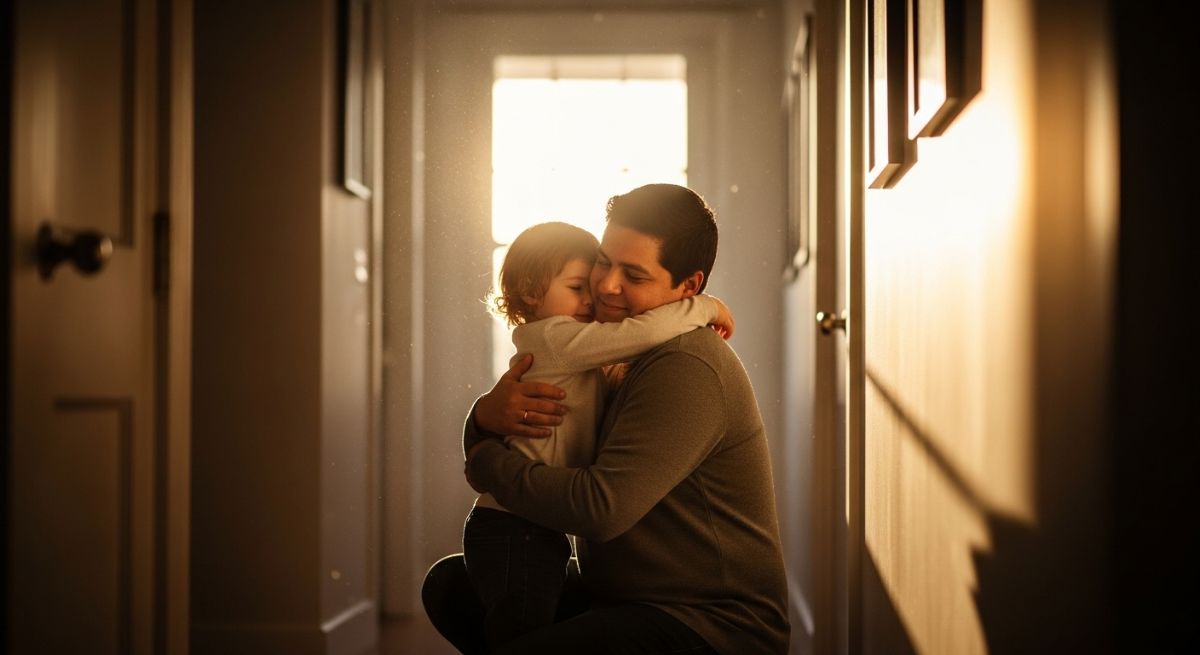
Building a thriving family unit does not require grand gestures or expensive vacations; rather, it is rooted in the small, consistent habits that occur within the walls of your home every day. Love is often expressed most clearly through the reliability of presence, such as a dedicated morning greeting or a brief, undistracted check-in before the day begins. When family members know they can count on these micro-moments of connection, it creates a psychological safety net that fosters deep emotional security. Over time, these tiny interactions aggregate into a powerful sense of belonging that serves as the foundation for lifelong happiness.

Establishing the Rhythm of Shared Meals
One of the most effective habits for fostering both love and discipline is the commitment to regular shared meals without the interference of digital screens. Gathering around a table provides a predictable space for communication where every family member has the opportunity to be heard and seen. This practice teaches children the discipline of active listening and the social grace of waiting their turn, all while nourishing their emotional health through storytelling and laughter. The dinner table becomes a sacred ground where values are passed down naturally and the stress of the outside world is held at bay.
The Role of Gentle Discipline and Responsibility
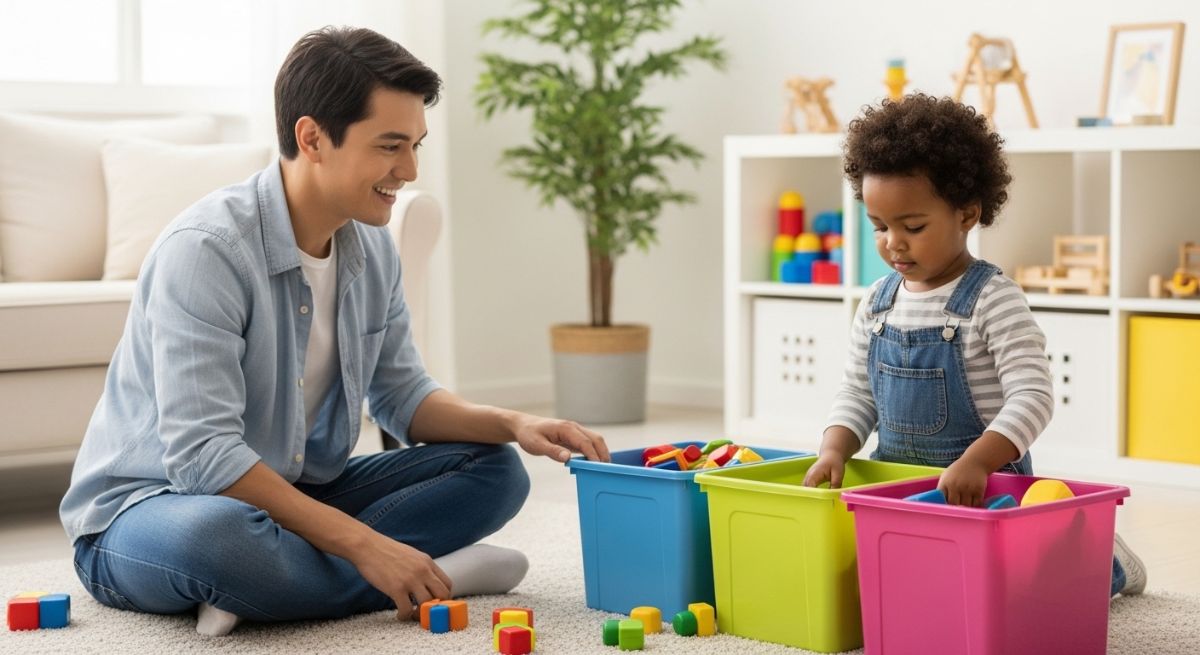
Discipline is often misunderstood as punishment, but in a healthy family habit loop, it is actually about training and shared responsibility. Creating a culture where every member contributes to the upkeep of the home—through age-appropriate chores—builds a sense of ownership and personal pride. When children are taught that their contributions matter to the group's success, they develop an internal motivation that carries over into their schoolwork and future careers. This collective effort reduces parental burnout and reinforces the idea that the family is a team where everyone supports one another.

Nurturing Growth Through Evening Reflection
Integrating a habit of evening reflection can significantly enhance a family's emotional intelligence and collective peace. Whether it is through a shared gratitude practice or a 'highs and lows' discussion before bed, reflecting on the day’s events allows for the processing of difficult emotions and the celebration of small victories. This habit ensures that no one carries the weight of a bad day into their sleep, promoting a more restful and harmonious environment. It also provides parents with a window into their children's inner worlds, allowing for timely guidance and heartfelt encouragement.

Prioritizing Play and Spontaneous Joy
While discipline and routine are essential, a home without spontaneous joy can become rigid and stifling, which is why play must be an intentional habit. Designating a specific time each week for a family game night or an outdoor adventure ensures that fun remains a priority amidst the busyness of modern life. These moments of play lower cortisol levels and strengthen the bonds between parents and children, creating a reservoir of positive memories to draw upon during harder times. Laughter is a powerful glue that keeps families connected even when faced with the inevitable friction of daily life.
Modeling the Values You Wish to See
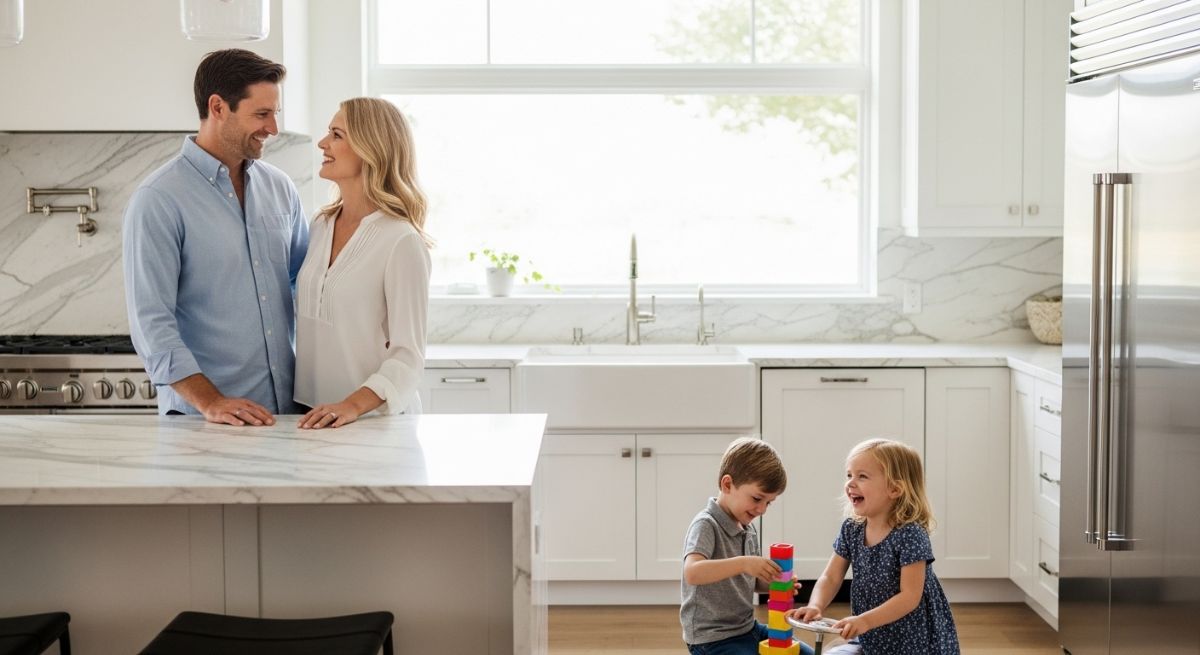
Ultimately, the most influential habit in any home is the intentional modeling of behavior by the parents or guardians. Children are far more likely to adopt habits of kindness, patience, and resilience if they see those qualities consistently demonstrated by the adults they trust most. When you apologize for a mistake or handle a stressful situation with grace, you are providing a living blueprint for your family’s emotional future. By embodying the love and discipline you wish to cultivate, you create a ripple effect that sustains happiness for generations to come.