Nurturing Resilience: Raising Mentally Strong Children in a Modern World
The Pillar of Consistent Encouragement
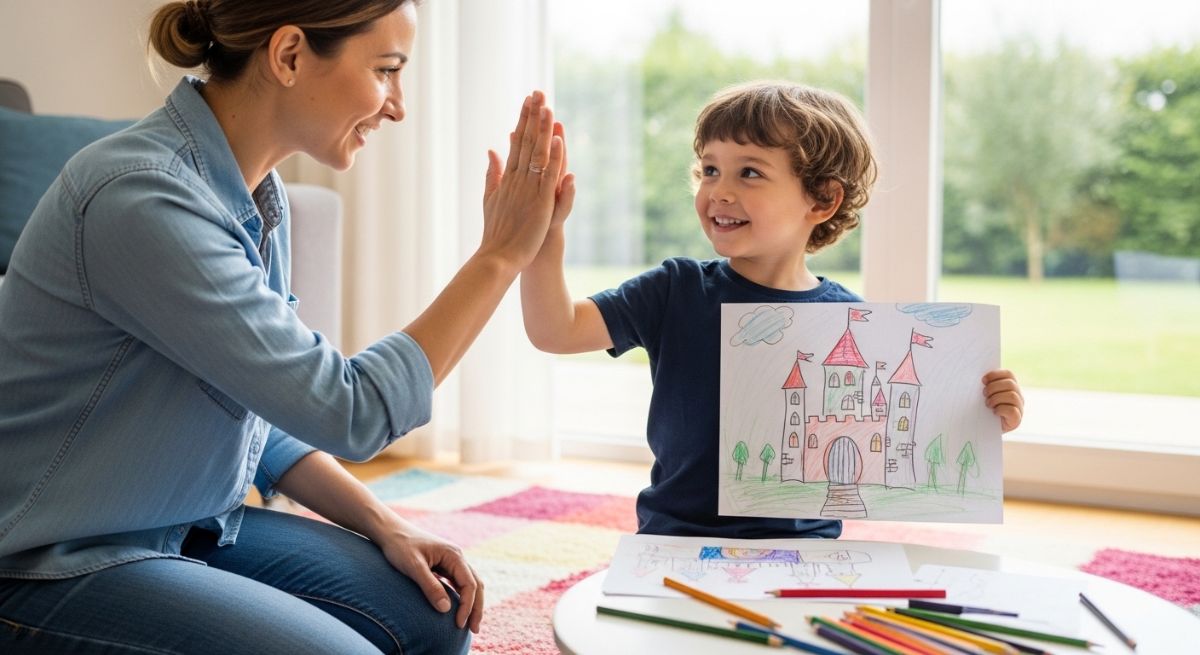
Raising a mentally strong child begins with the language we use to narrate their efforts rather than just their outcomes. Daily encouragement should focus on the process of learning, such as praising a child's persistence when solving a difficult puzzle or their courage in trying a new activity. By shifting the focus from innate talent to effort, parents help children develop a growth mindset that views challenges as opportunities rather than threats to their self-worth.

Discipline as a Tool for Self-Regulation
In the modern parenting landscape, discipline is often misunderstood as punishment, but its true purpose is to teach self-regulation and accountability. Mentally strong children understand that their actions have consequences, and clear boundaries provide them with a sense of security and predictable structure. When discipline is administered with calm consistency rather than anger, children learn to navigate the world with a moral compass and the ability to make healthy choices even when an adult isn't watching.
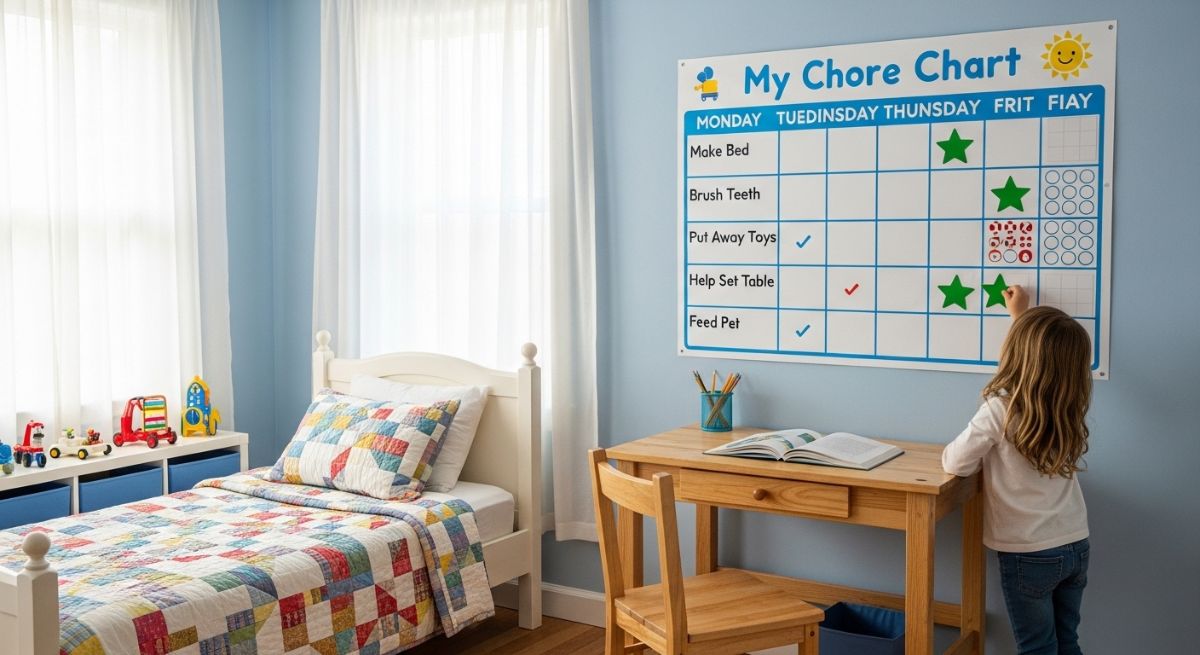
Effective discipline also involves allowing children to experience the natural consequences of their mistakes in a safe environment. Instead of rushing in to fix every problem or shield them from minor disappointments, parents can act as guides who help children brainstorm solutions. This approach builds the 'problem-solving muscle' that is essential for mental toughness, ensuring that when they face larger obstacles in adulthood, they possess the confidence to handle them independently.

The Foundation of Unconditional Love
Love is the safety net that allows a child to take the risks necessary for growth. A mentally strong child needs to know that their value in the family is not tied to their grades, athletic performance, or behavior, but is inherent and unchanging. This unconditional support creates a secure base from which children can explore the world, knowing that if they fail, they have a warm and non-judgmental place to return and recover.

Teaching Emotional Intelligence
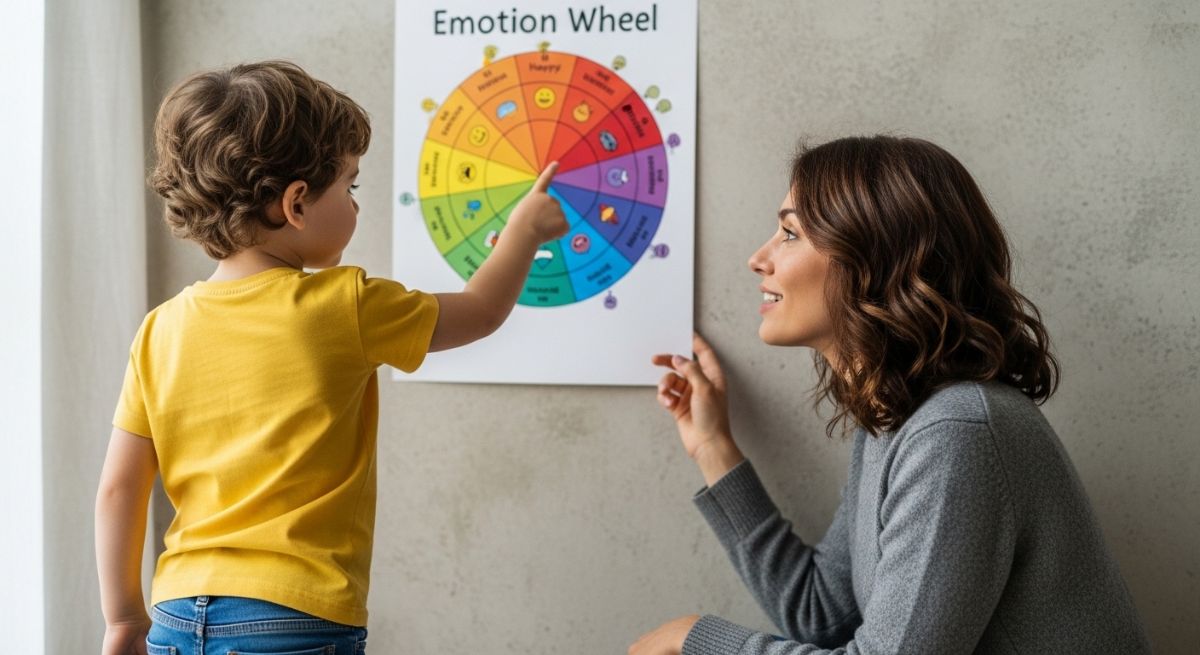
Mental strength is not about suppressing emotions; it is about the ability to process them effectively. Parents can foster this by labeling emotions in daily life and showing children that it is okay to feel sad, angry, or frustrated. By validating these feelings while guiding the child toward appropriate ways to express them, parents prevent the emotional bottling that leads to fragility. A child who can identify their feelings is a child who can manage them without being overwhelmed.
Leading by Example
Ultimately, children are more likely to do what we do than what we say. To raise a mentally strong child, parents must model resilience in their own lives by handling stress with grace and admitting to their own mistakes. When a child sees a parent persevere through a difficult workday or apologize for losing their temper, they learn that strength is a journey of continuous improvement. This shared growth creates a family culture where mental fortitude is a collective value rather than a solo expectation.