From Blame to Belief: Transforming Family Dynamics Through Support

Breaking the Cycle of Blame
In many households, the default response to stress or failure is to find someone to hold responsible. This culture of blame creates a defensive environment where family members are more concerned with protecting themselves than helping one another. To shift this dynamic, it is crucial to recognize that blame is often a shield for vulnerability. When we address the root cause of the stress rather than attacking the person associated with it, we open the door for a more constructive and empathetic dialogue.

The Power of Shared Goals
One of the most effective ways to inspire support is to refocus the family on a common purpose. When a family operates as a team with shared objectives, individual mistakes are seen as hurdles for the group to overcome together rather than personal failures to be ridiculed. By establishing collective values—such as resilience, honesty, or kindness—you provide a roadmap that encourages members to lift each other up during difficult times. This shift in perspective transforms the home from a courtroom into a training ground where everyone is rooting for each other’s success.

Reframing Communication with Empathy
The language we use within the home dictates the emotional temperature of the household. Replacing accusatory 'you' statements with vulnerable 'I' statements can dismantle defensiveness instantly. For example, expressing how a situation makes you feel rather than highlighting what someone else did wrong invites support rather than retaliation. Encouraging family members to ask 'How can I help?' instead of 'Why did you do that?' fosters a spirit of curiosity and cooperation that replaces the toxic habit of finger-pointing.
Modeling Supportive Behavior
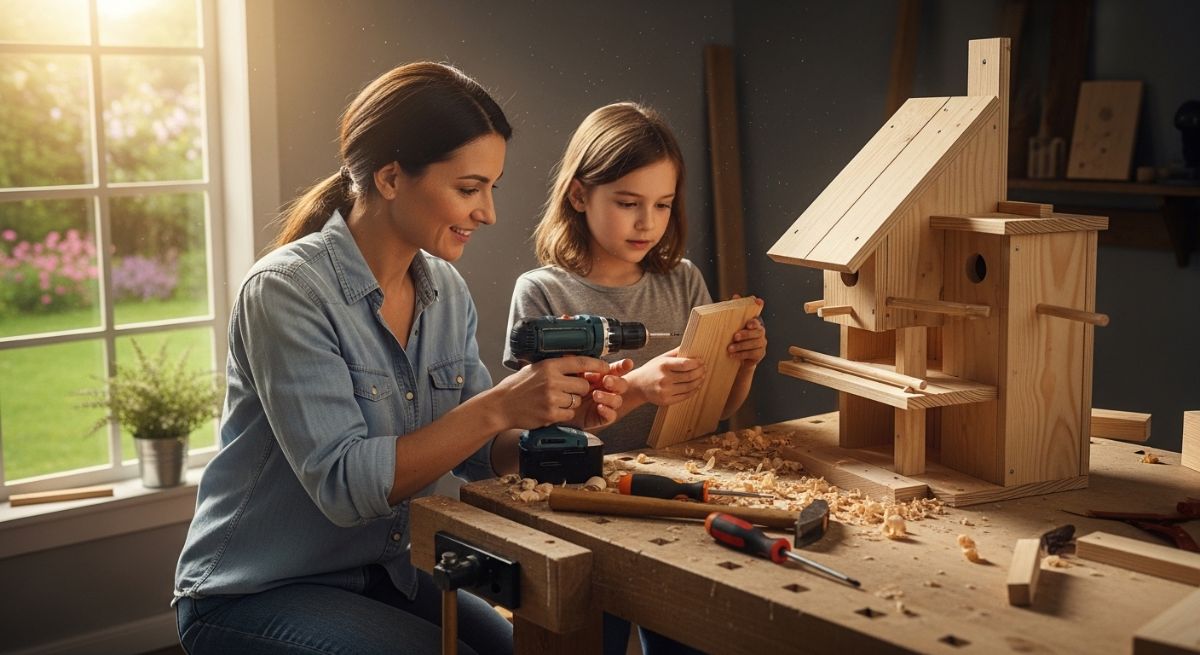
Leadership within a family starts with those who set the tone. If parents or elders respond to their own mistakes with accountability and self-compassion, they give others permission to do the same. When you model supportive behavior—especially when things go wrong—you demonstrate that the family unit is a safe harbor. Showing up for a sibling or child in their moment of failure without an 'I told you so' builds a reservoir of trust that will eventually encourage them to reciprocate that same support when you need it most.

Celebrating Small Wins Together
Support isn't just about being there during a crisis; it is also about being a loud advocate for each other's triumphs. Actively noticing and celebrating the efforts and achievements of family members reinforces a positive feedback loop. When a family makes it a habit to acknowledge each other's growth, it builds a sense of belonging and value. This positive reinforcement makes individuals feel secure enough to be honest about their struggles, knowing that the family will respond with encouragement rather than judgment.

Nurturing Long-Term Connection
Building a supportive family culture is a marathon, not a sprint, and it requires consistent maintenance of the emotional bonds. Regular check-ins where each person can share their highs and lows without fear of criticism can solidify this new way of relating. Over time, the instinct to blame will wither away as it is starved of the conflict it thrives on, replaced by a deep-rooted sense of loyalty and mutual care. This legacy of support becomes the greatest gift a family can offer its members, providing a lifelong foundation of strength.