Building Resilience: Raising Mentally Strong Children with Love and Limits

The Foundation of Mental Strength
Raising mentally strong children is not about shielding them from life's challenges, but rather equipping them with the tools to navigate those obstacles with confidence. It begins with a home environment where emotional safety is a priority, allowing children to express their fears and frustrations without judgment. When a child feels secure in their primary relationships, they gain the courage to take risks and learn from their inevitable mistakes.

Mental strength is built through the daily integration of three core pillars: encouragement, discipline, and love. None of these elements can stand alone. Without love, discipline feels like rejection; without discipline, encouragement lacks the structure needed for growth. By balancing these forces, parents can help children develop a resilient mindset that views failures as stepping stones rather than roadblocks.
The Power of Daily Encouragement
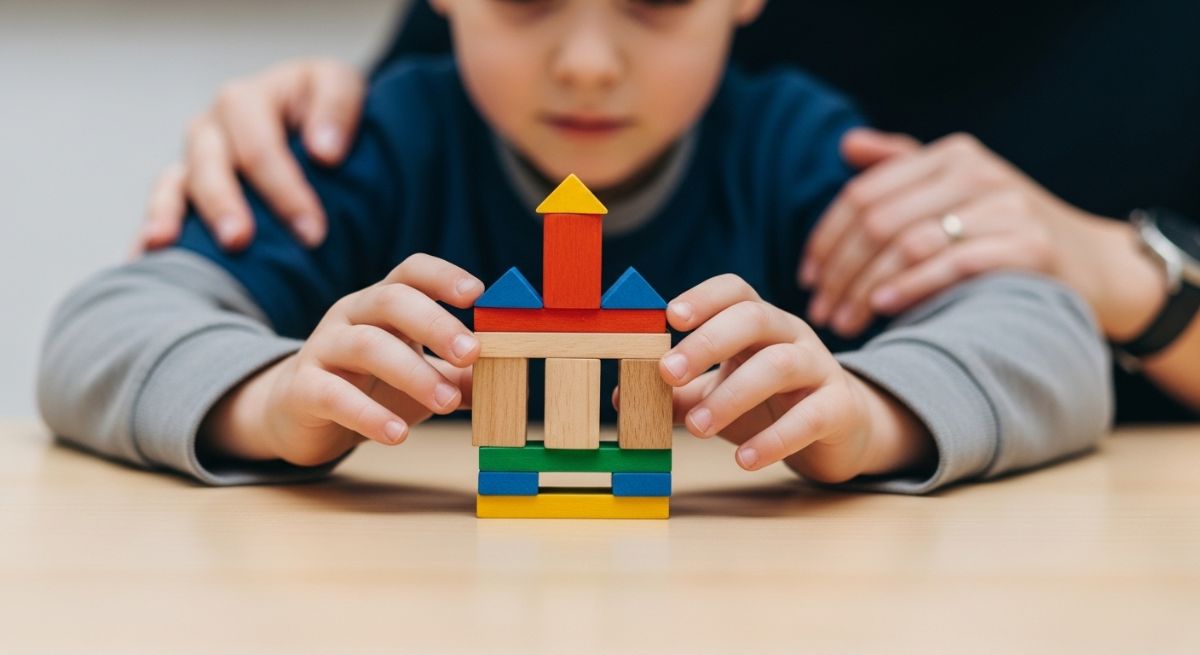
Daily encouragement is the fuel that sustains a child's effort through difficult tasks. Unlike empty praise, which focuses on innate talent, effective encouragement highlights the specific effort and perseverance a child demonstrates. When you acknowledge the hard work a child put into a difficult math problem or their courage in trying a new sport, you reinforce the value of the process over the final result.

Consistent positive reinforcement helps children internalize a growth mindset. Instead of believing their abilities are fixed, they begin to understand that they can improve through dedication and practice. This internal dialogue is a hallmark of mental strength, enabling them to stay motivated even when faced with setbacks that might discourage others.

Discipline as a Teaching Tool
True discipline is about guidance and self-regulation, not punishment or control. For a child to become mentally strong, they need clear, consistent boundaries that help them understand the consequences of their actions. Effective discipline teaches children how to manage their impulses and make responsible choices, even when a parent is not watching. It provides the framework within which a child can safely test their autonomy.
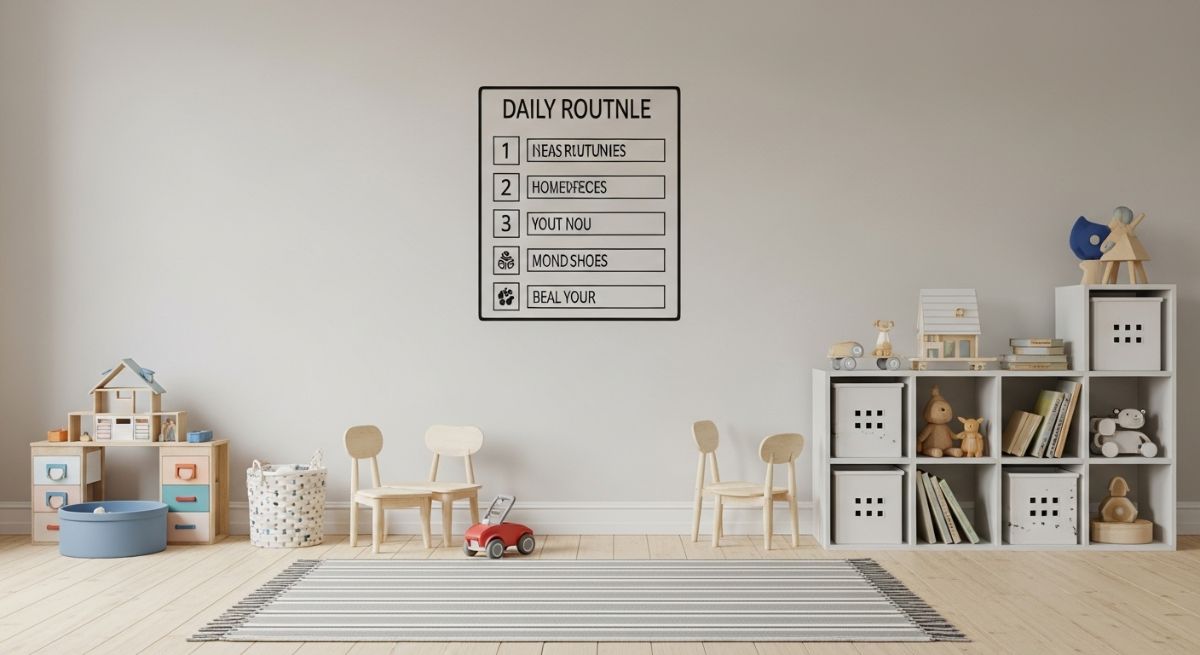
When discipline is applied with empathy, it helps children develop a sense of accountability. Instead of reacting with shame, they learn to analyze what went wrong and how they can do better next time. This problem-solving approach to behavior fosters independence and emotional maturity, which are essential components of a sturdy psychological foundation.

Unconditional Love as the Ultimate Anchor
At the heart of mental strength is the knowledge that one is loved unconditionally, regardless of performance or behavior. Unconditional love provides the emotional cushion a child needs to fall back on when life gets tough. It ensures that their self-worth is not tied to their grades, their athletic achievements, or their ability to follow every rule perfectly. This deep-seated sense of belonging gives them the ultimate security to face the world.

Expressing love through physical affection, active listening, and quality time builds a bond that can weather any storm. When children know they are valued for who they are, rather than what they do, they develop an authentic self-confidence. This inner peace allows them to stand firm in their values and resist the peer pressures or societal anxieties that often undermine mental well-being.