Cultivating Grit: How to Help Your Children Believe in Themselves
Building the Foundation of Self-Belief
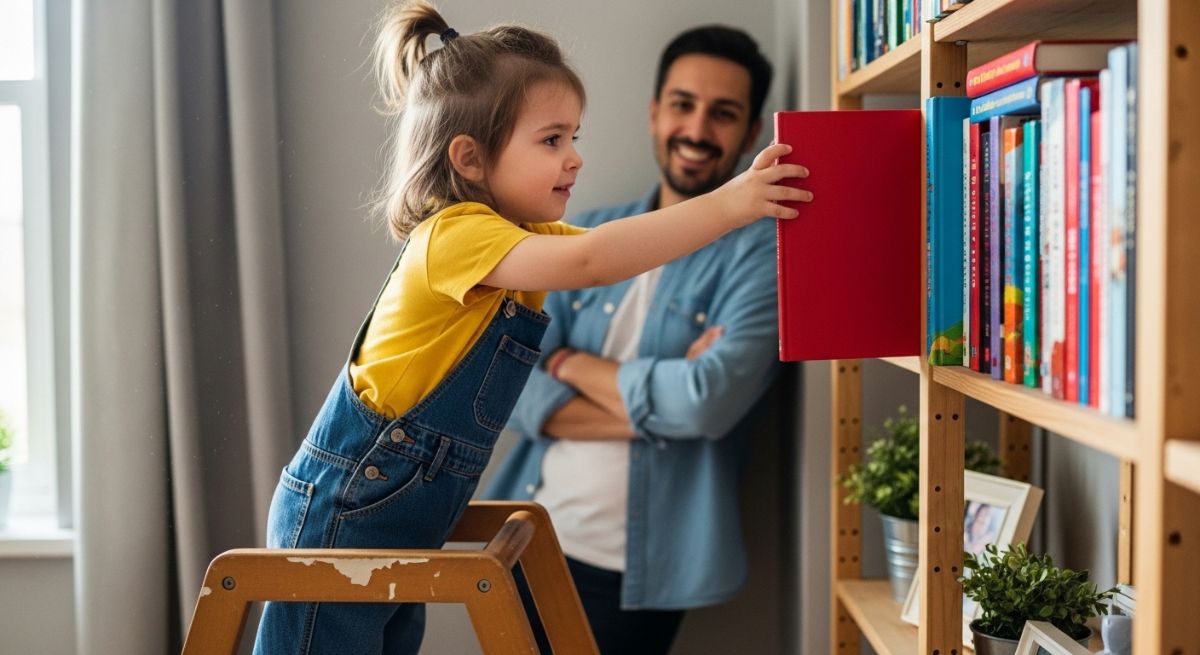
Self-belief is not an innate trait that children are simply born with; it is a mental muscle developed through experience, support, and persistence. For a child to believe in their own potential, they first need to feel that their efforts are valued more than their immediate successes. When parents create a safe environment where trying is celebrated regardless of the outcome, children begin to develop the inner confidence necessary to tackle difficult tasks without the paralyzing fear of failure.
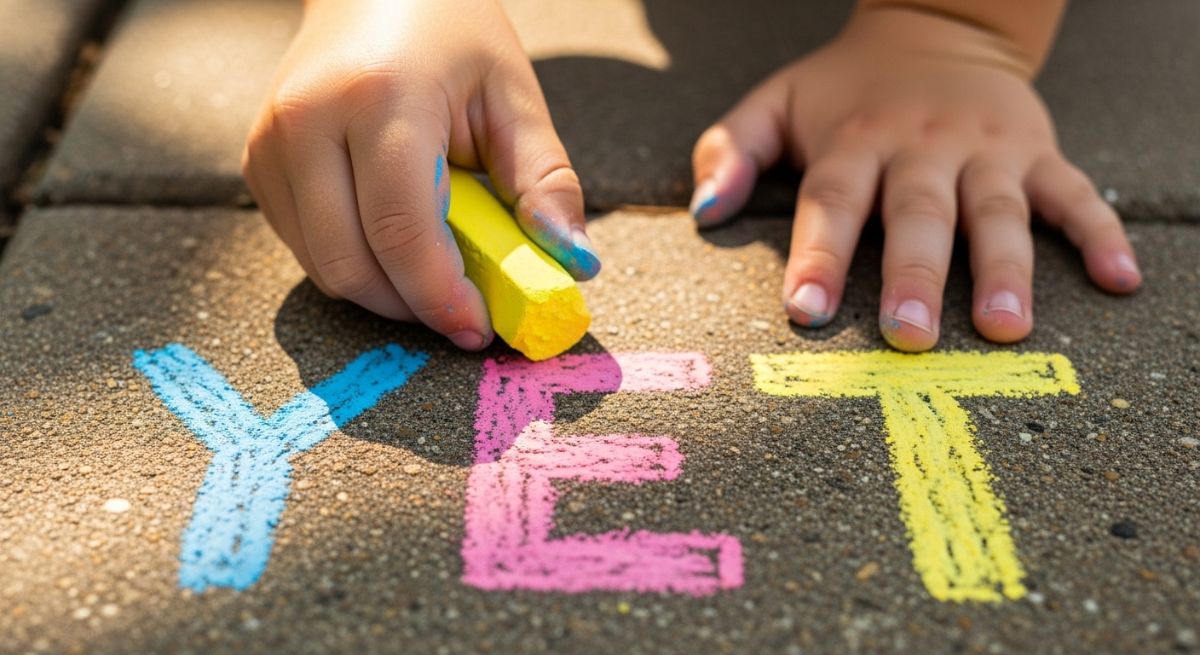
The language we use daily significantly shapes a child's internal monologue. Instead of focusing on fixed labels like being smart or talented, emphasize the power of yet. When a child says they cannot do something, adding the word yet reminds them that their current struggle is merely a temporary state on the path to mastery. This subtle shift in communication fosters a growth mindset, helping them realize that intelligence and skill are qualities that can be expanded through dedication.

The Importance of Modeling Perseverance
Children are astute observers of how the adults in their lives handle frustration. One of the most effective ways to teach a child never to give up is to model that behavior in your own daily life. When you encounter a setback—whether it is a burnt dinner or a difficult project—talk through your feelings out loud. Let them see you stay calm, evaluate the problem, and try a different approach rather than walking away in defeat.

By narrating your own process of overcoming obstacles, you demystify the path to success. Children often assume that adults find everything easy, but seeing a parent persist through a challenge provides a powerful blueprint for their own behavior. This shared vulnerability reinforces the idea that struggle is a natural and necessary part of learning, making it less intimidating when they face their own hurdles.

Encouraging Effort Over Results
To keep a child from giving up easily, the focus must shift from the final grade or the winning goal to the effort invested in the journey. Praise that is specific and process-oriented helps children understand exactly what behaviors lead to progress. When you acknowledge the hours they spent practicing a musical instrument or the focus they maintained during a tough homework session, you are validating their work ethic rather than just their end result.
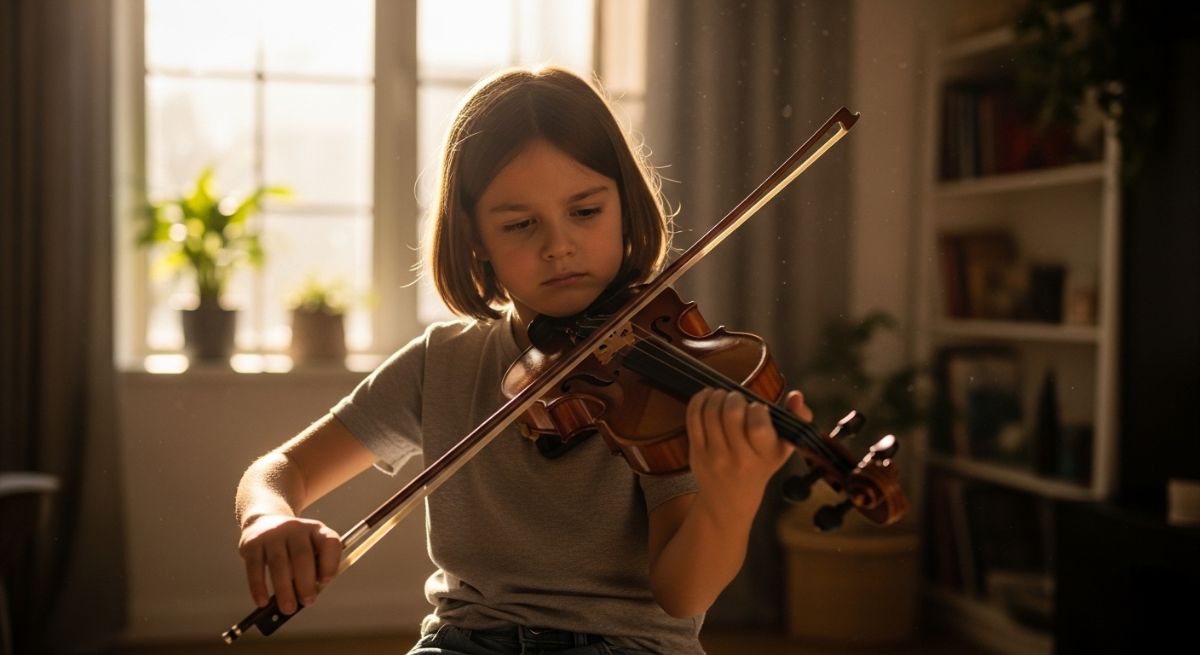
This approach helps children build resilience because it gives them a sense of control. If a child believes success comes only from luck or natural ability, they are likely to quit when things get hard. However, if they believe success comes from effort, they will stay motivated to keep trying different strategies. This internal locus of control is the ultimate shield against the discouragement that often leads to giving up too soon.

Supporting Autonomy and Problem Solving
It is tempting for parents to step in and fix things the moment a child starts to struggle, but this can inadvertently signal that the child is not capable of handling the situation. To build lasting self-belief, it is essential to allow children the space to struggle within a supportive framework. Instead of providing the answer, ask open-ended questions that lead them to discover their own solutions. This encourages critical thinking and gives them the satisfaction of saying they did it themselves.
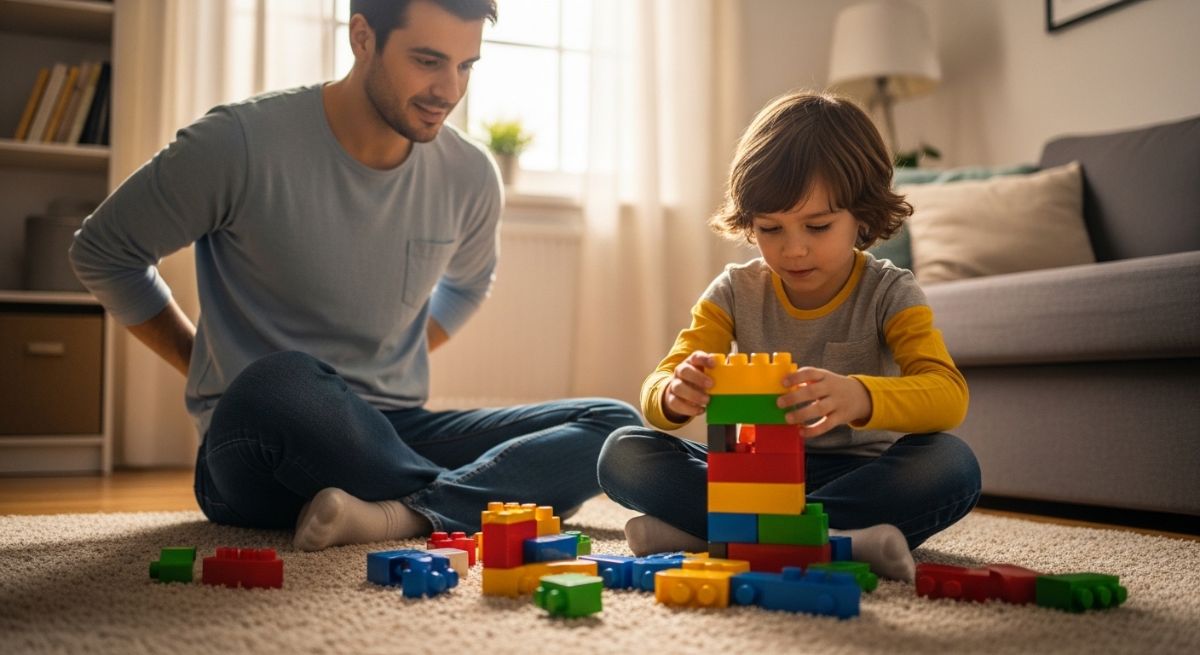
Ultimately, a child who believes in themselves is one who has been allowed to fail and get back up repeatedly. By providing unconditional love that is not tied to achievement, you give them the emotional security to keep going even when the world gets tough. This steady support ensures that they view challenges as opportunities to grow, equipping them with a spirit of perseverance that will serve them for a lifetime.