Dark Calm: The Ethereal Serenity of a Cloudy Mountain Summit
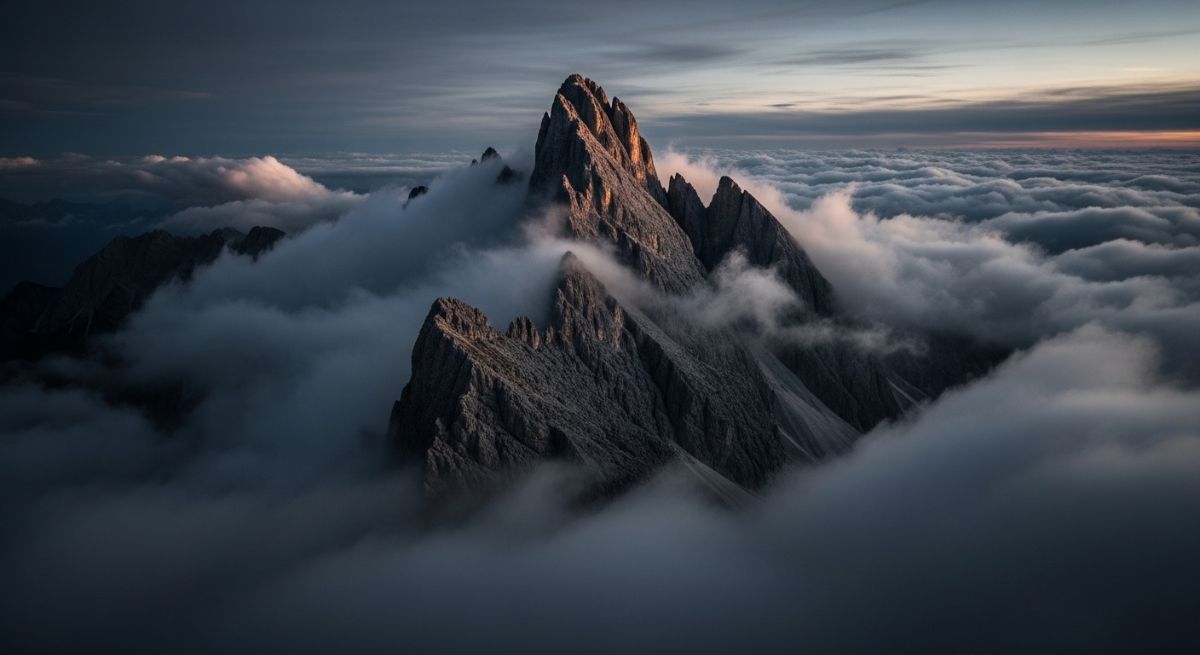
The Atmosphere of the Peak
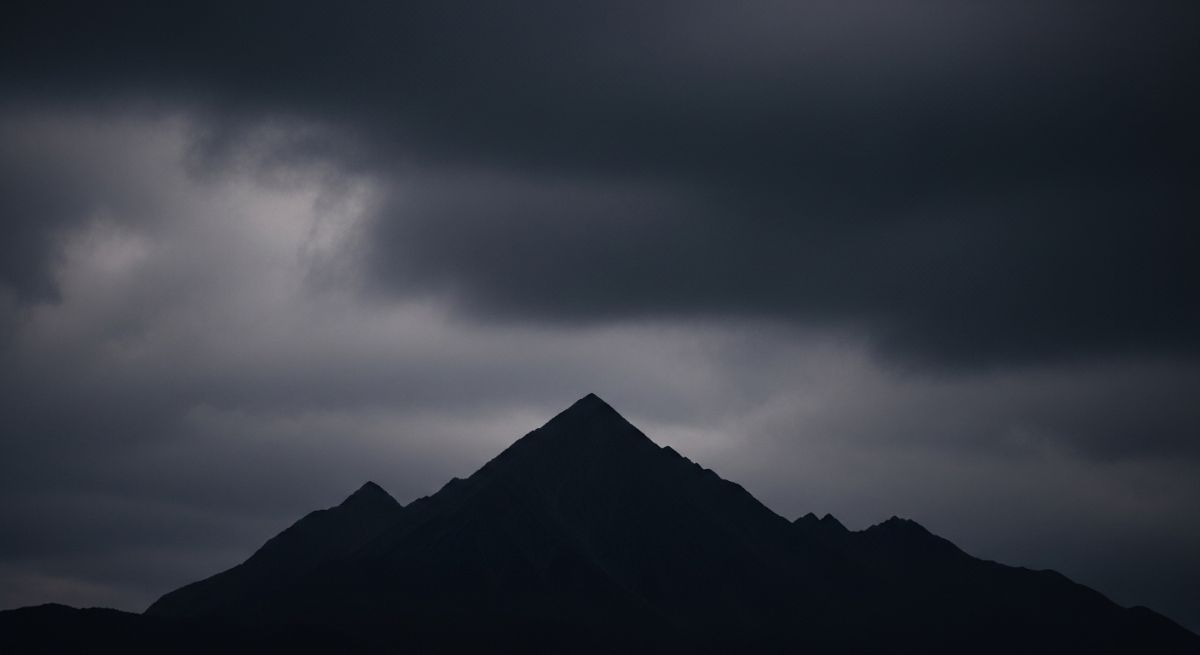
Reaching the summit of a mountain as the light begins to fade and the clouds roll in creates an atmosphere that is both imposing and deeply meditative. This is the essence of dark calm, a state where the usual sensory noise of life is muffled by thick mist and the heavy presence of stone. At this elevation, the air feels different—sharper, cooler, and filled with the scent of damp earth and ancient granite.
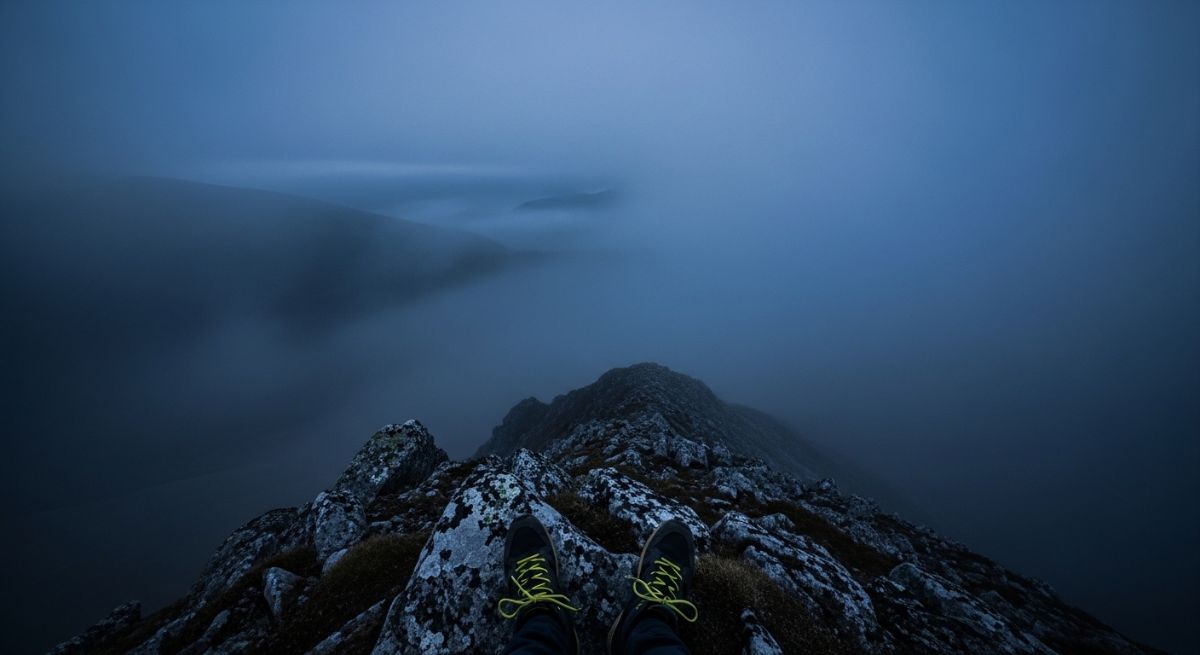
When the clouds settle upon the peak, they act as a natural veil, obscuring the valley below and isolating the climber in a world of muted greys and deep indigos. There is a peculiar comfort in this isolation, a sense that the frantic pace of the modern world cannot reach this high. The mountain doesn't demand your attention; it simply exists, inviting you to match its stoic and timeless patience.
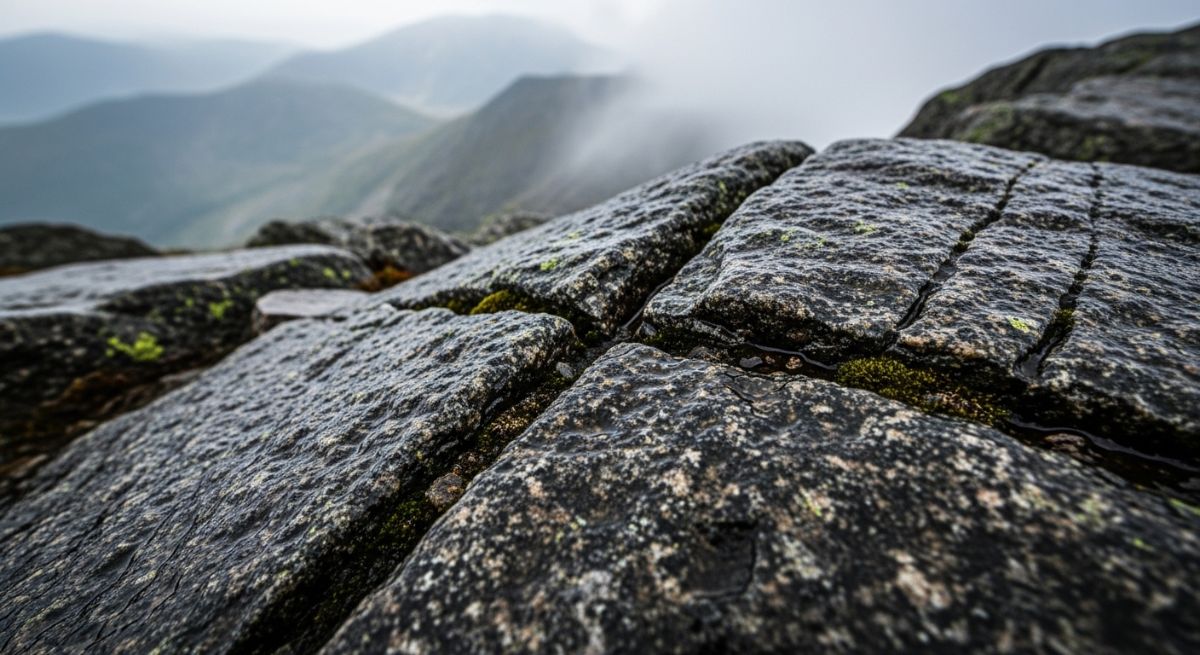
The Visual Language of Shadow
Visualizing a cloudy mountain summit requires an appreciation for the subtle gradations of shadow. Without the harsh glare of the midday sun, the textures of the rock become more pronounced, revealing every crack and weather-worn ridge. The palette is limited but rich, featuring charcoals, slate blues, and the stark white of lingering snow patches that glow dimly through the fog.
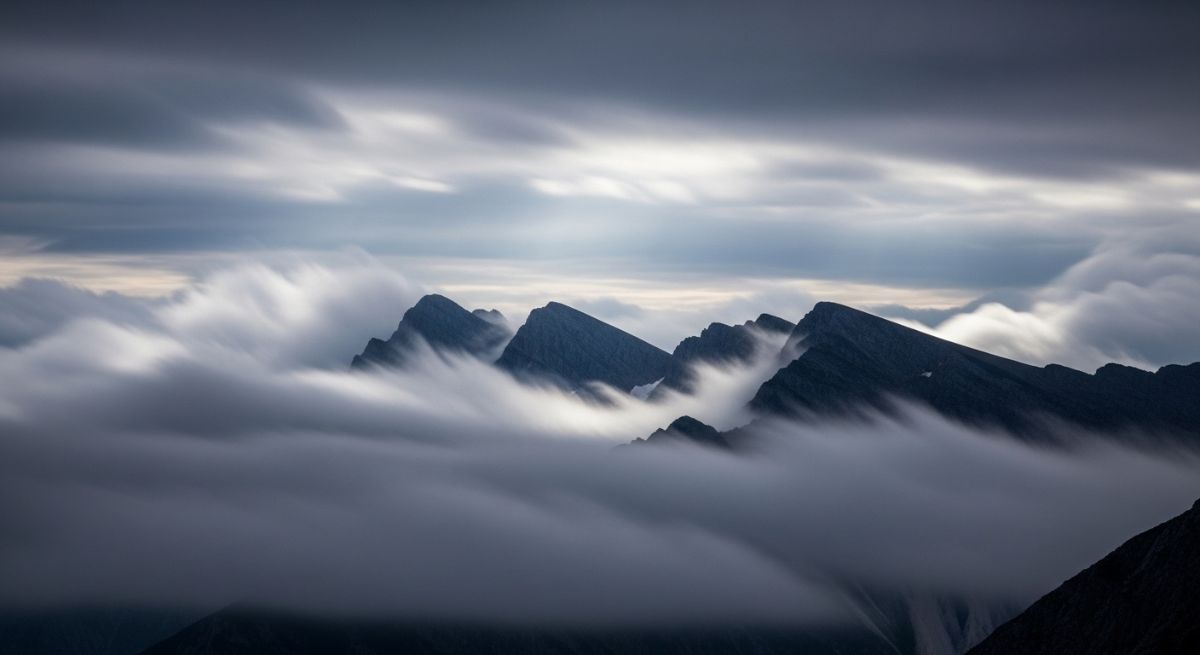
The clouds themselves are not static; they move with a slow, ghostly grace, occasionally parting to reveal glimpses of jagged ridges before closing again like a heavy curtain. This interplay between visibility and occlusion creates a sense of mystery. It reminds us that there is beauty in the unseen and that the mountain holds secrets that are only revealed to those who sit still in the dark and the cold.
The Sound of Stillness
Perhaps the most striking feature of the dark summit is the profound silence. Far above the rustle of forests or the flow of rivers, the only sound is the occasional whisper of wind passing over the crags. Even this sound is softened by the clouds, which absorb noise and create an acoustic environment that feels like a vast, open-air cathedral. It is a silence that invites introspection and deep thought.
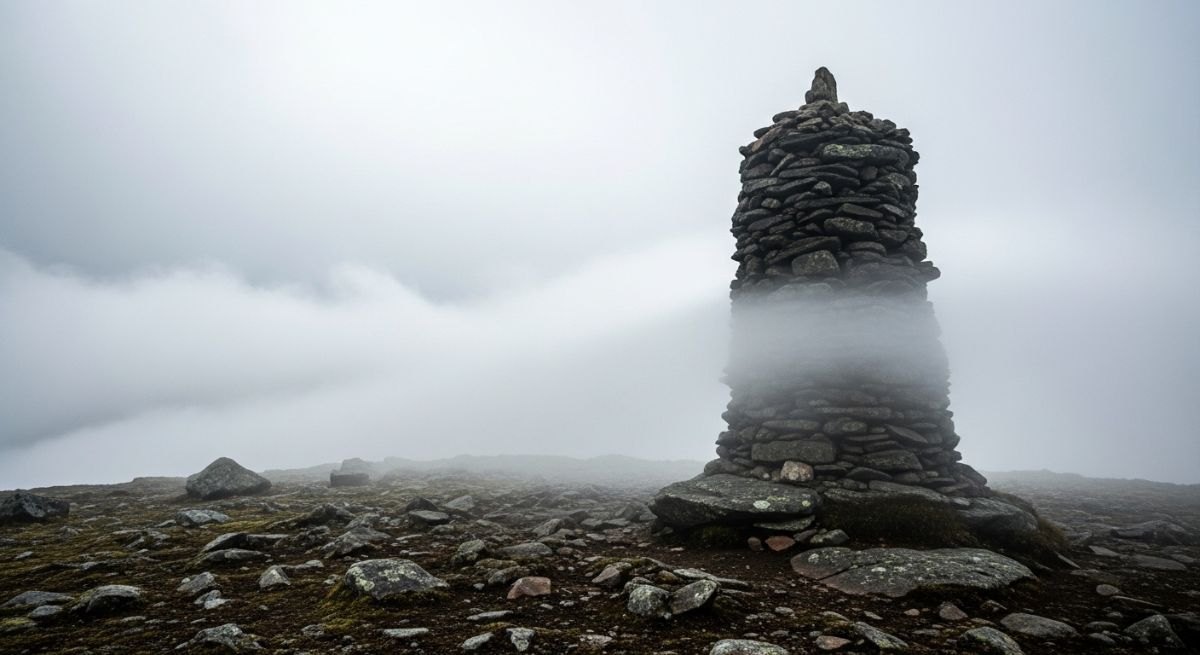
In this quiet, the sound of one's own breath becomes a rhythmic anchor. The physical exertion of the climb is over, and the body begins to cool, settling into a state of rest that mirrors the landscape. This auditory void allows for a rare mental clarity, where the anxieties of the lowlands seem to dissolve into the mist, leaving only the present moment and the solid ground beneath.
Finding Peace in the Depths
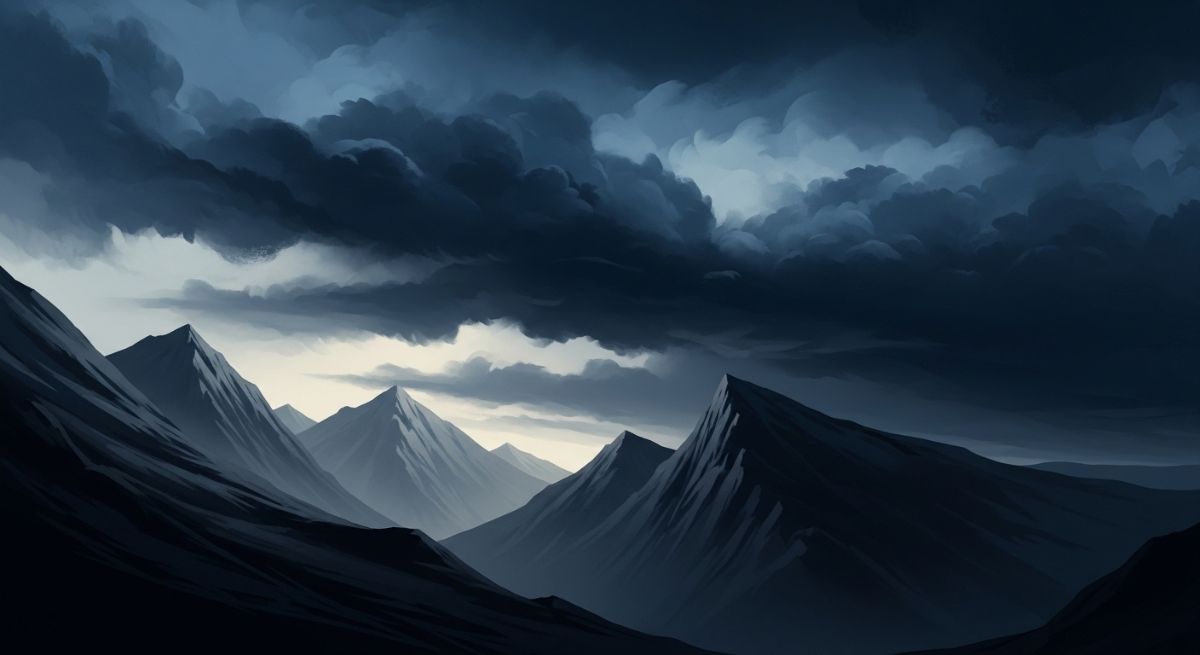
There is a common misconception that darkness and clouds imply gloom, but at the top of a mountain, they represent a different kind of peace. This dark calm is about resilience and the beauty of enduring. Standing at the summit, one feels a kinship with the mountain—a realization that strength doesn't always have to be loud or bright; it can be quiet, cold, and unwavering.
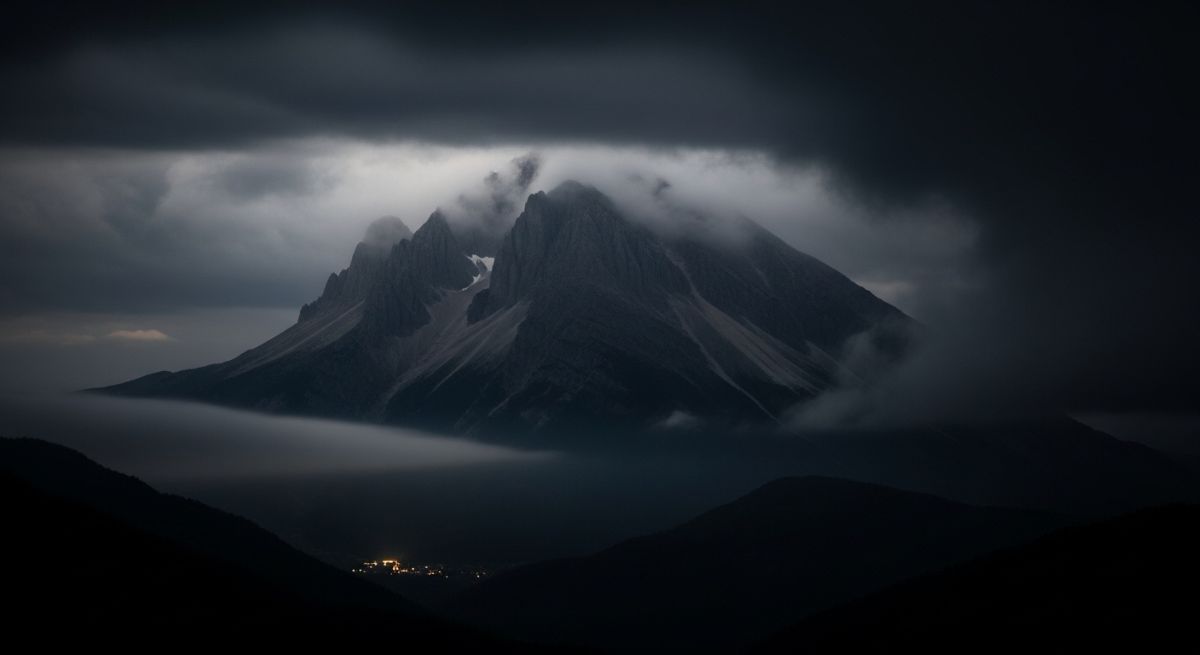
As night begins to take a firmer hold, the summit offers a final lesson in surrender. Letting go of the need for panoramic views or clear horizons, the climber finds satisfaction in the immediate reality of the mist and the rock. This perspective carries back down the mountain, serving as a reminder that even in life's cloudiest and darkest moments, there is a summit of calm to be found within.