Quiet the House: How to Stop Shouting and Master Calm Communication

Breaking the Shouting Cycle
Shouting at home is rarely a choice made out of malice; it is usually a stress response triggered by feeling unheard or overwhelmed. When we yell, we are operating from the primitive part of our brain where logic is replaced by the fight-or-flight instinct. Recognizing that shouting is a signal of your own internal depletion is the first step toward change. Instead of viewing yourself as a yeller, see the behavior as a habit that can be unlearned through intentional practice and self-compassion.
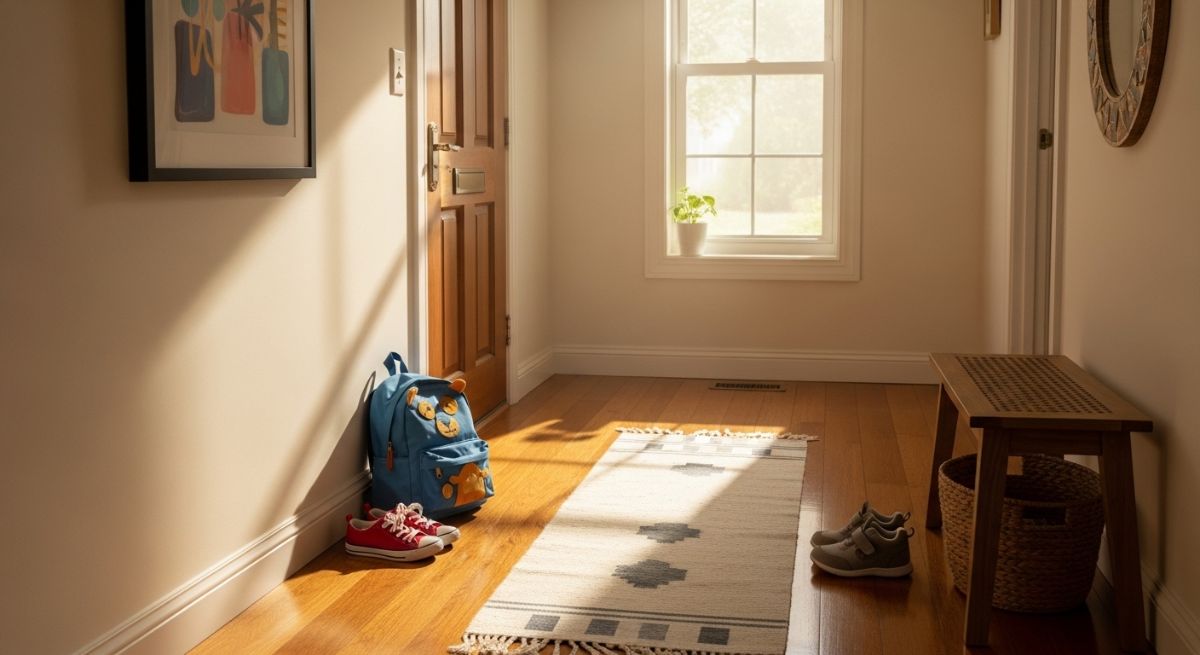
To stop the cycle, you must first identify your specific triggers. Does the volume rise during the morning rush, or perhaps when the kitchen is cluttered after a long day? By pinpointing these high-risk moments, you can create pre-emptive strategies to keep the peace. For example, if mornings are a battleground, preparing outfits and bags the night before can reduce the frantic energy that often leads to an outburst. When you manage the environment, you make it much easier to manage your emotions.

The Power of the Strategic Pause
The most effective tool in your communication kit is the pause. When you feel that familiar heat rising in your chest, it is a signal to stop talking immediately. Taking just ten seconds to breathe deeply or take a sip of water allows your logical brain to catch up with your emotional impulses. This brief intermission prevents you from saying words that damage trust and gives you the space to choose a response rather than simply reacting to a situation.

During this pause, try naming your emotion silently. Telling yourself that you are feeling frustrated because you value order shifts the focus from the other person’s behavior to your own needs. This internal clarity is essential for moving away from blame and toward resolution. By the time you speak, your voice will naturally be lower, and your message will be much more likely to be heard and respected by your family members.

Implementing Clear Communication
Once you are calm, replace accusations with I-statements that describe your feelings and needs without attacking the other person. Instead of shouting that someone never listens, try saying that you feel unheard when you have to repeat yourself and that you need to find a better way to communicate. This approach invites cooperation rather than triggering defensiveness. It focuses on the problem at hand rather than the perceived character flaws of your loved ones.
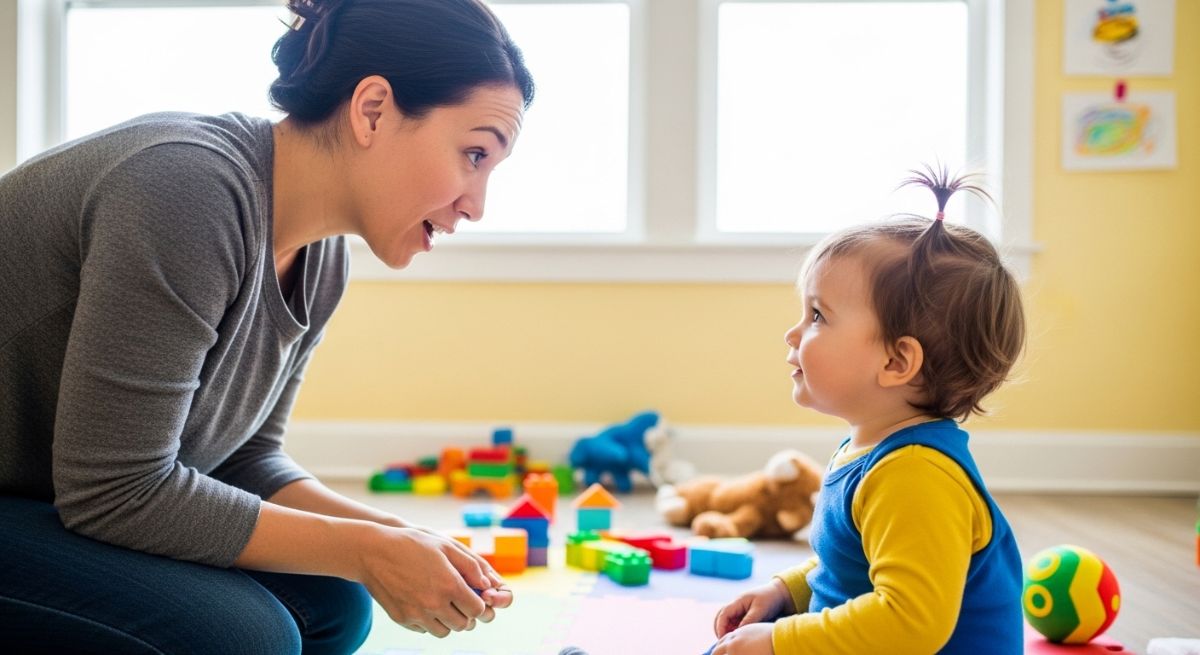
Another powerful technique is to intentionally lower your volume as the tension increases. It is physically difficult to maintain a high level of anger while speaking in a whisper or a very soft tone. In fact, getting quieter often forces others to lean in and listen more closely, effectively breaking the escalation loop. This whisper method models emotional regulation for your children, showing them that strength is found in composure rather than volume.

Building a Legacy of Calm
If you do slip up and shout, the most important step is the repair. Offering a sincere apology shows your family that you take responsibility for your actions and that their emotional safety is your priority. Saying that you are sorry for yelling and explaining that you were feeling stressed teaches your children how to handle their own mistakes with humility. Repairing the bond quickly prevents the growth of long-term resentment.

Ultimately, a peaceful home is built on a foundation of consistent, small efforts toward connection. Prioritizing rest, setting realistic expectations, and practicing daily gratitude reduces the overall stress levels in the house. As you replace shouting with calm, clear communication, you aren't just changing your voice; you are transforming your home into a true sanctuary of love and mutual respect for everyone who lives there.