From Finger-Pointing to Partnership: How to Build a Supportive Family Culture

Breaking the Cycle of Blame
In many households, blame becomes a default defense mechanism when things go wrong. Whether it is a forgotten chore or a serious financial hurdle, the instinct to find a scapegoat often outweighs the drive to find a solution. This cycle of finger-pointing creates an atmosphere of fear and defensiveness, where family members are more concerned with protecting themselves than helping one another. To inspire a shift toward support, the family must first recognize that blame is a barrier to intimacy and progress.
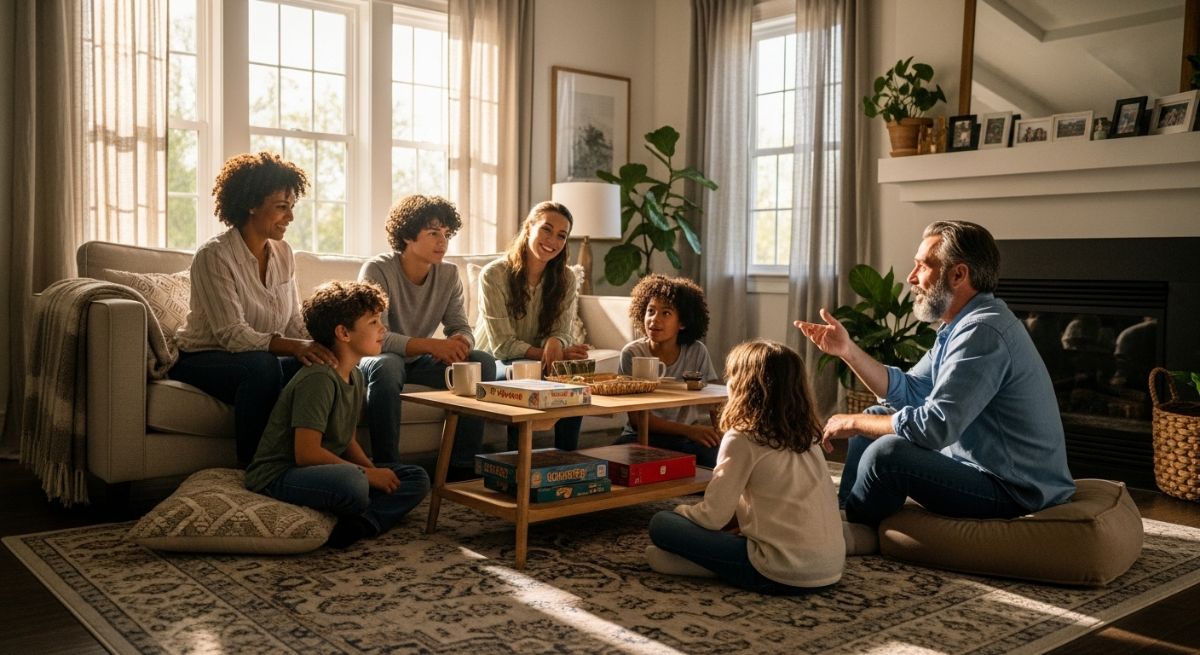
Replacing blame starts with a fundamental shift in perspective: seeing every problem as the family versus the issue, rather than one member versus another. When a mistake occurs, the focus should immediately pivot to how the group can repair the damage together. By removing the threat of shame, you create a safe space where individuals feel comfortable admitting errors, which is the necessary precursor to genuine teamwork and support.

The Power of Vulnerable Leadership
Inspiration for a supportive home often begins with the parents or household leaders modeling vulnerability. When leaders admit their own mistakes without making excuses, they set a powerful precedent for the rest of the family. This transparency demonstrates that perfection is not the requirement for belonging. Seeing a parent apologize and ask for help encourages children and partners to do the same, effectively dissolving the power of blame before it can take root.

Vulnerability also involves sharing the 'why' behind your feelings instead of just the 'what' of your frustrations. Instead of accusing a spouse of being lazy, explaining that you feel overwhelmed and need extra help invites support. This approach humanizes the struggle and taps into the natural empathy of family members. It moves the conversation from a courtroom setting to a collaborative workshop where everyone’s needs are heard and valued.

Fostering Empathy and Active Listening
Supportive families are built on a foundation of active listening, where the goal is to understand rather than to rebut. Often, blame arises because one person feels their perspective has been ignored or dismissed. By slowing down and reflecting back what another family member is saying, you validate their experience. This validation acts as an emotional balm, reducing the high-arousal states that typically lead to lashing out or blaming others.

Encouraging empathy also means looking for the hidden needs behind difficult behaviors. If a child is acting out or a partner is withdrawn, a supportive family asks what might be causing that pain instead of jumping to criticism. This deeper level of inquiry fosters a sense of 'we are in this together,' ensuring that no one feels isolated in their struggles. Over time, this curiosity becomes the standard response to conflict, replacing the old reflex of blame.

Celebrating Collective Wins
Finally, a culture of support is solidified by celebrating collective victories, no matter how small. When the family successfully navigates a stressful week or completes a difficult project together, take the time to acknowledge the specific ways each person supported the others. Highlighting these moments of cooperation reinforces the value of the team and provides a positive blueprint for future interactions.

Ultimately, a home free of blame is a sanctuary where every member is empowered to be their authentic self. By consistently choosing kindness and collaboration over the ease of accusation, you build a resilient family unit capable of weathering any storm. This legacy of mutual support ensures that your home remains a place of warmth, growth, and unconditional love for generations to come.